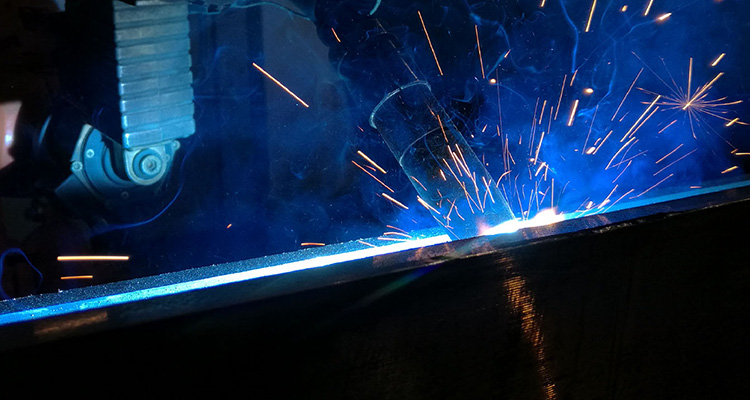
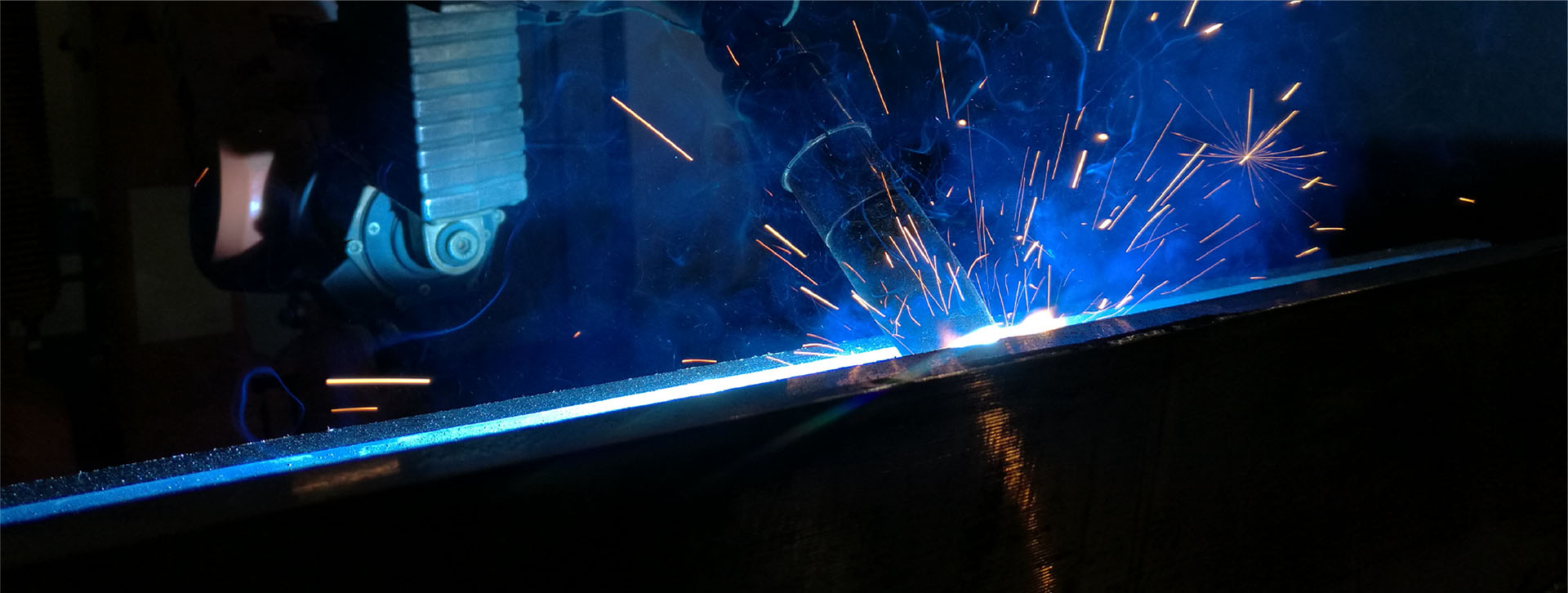
In reactor main valves and high-temperature pipeline valve systems, the gate sealing surfaces of CF8M (cast 316 stainless steel) are subjected to long-term high-temperature scouring and cyclic thermal loading, making conventional overlay welding solutions highly prone to cracking and failure. We adopt the ESW (Electroslag Strip Cladding) process to deposit an EQ310LMo heat-resistant austenitic stainless steel layer on gate and valve body surfaces, delivering a one-stop solution to both welding cracking and low production efficiency.
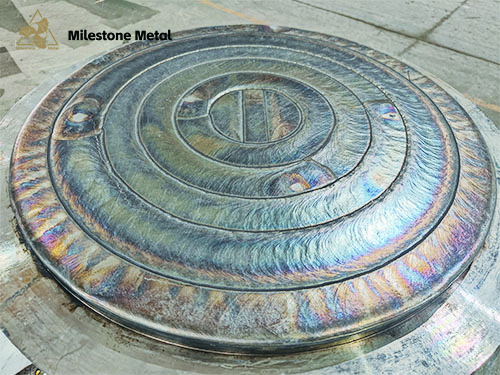
I. Workpiece and Consumable Configuration
· Base Metal: CF8M cast stainless steel gate (06Cr17Ni12Mo2), the mainstream pressure-bearing cast substrate for valve bodies.
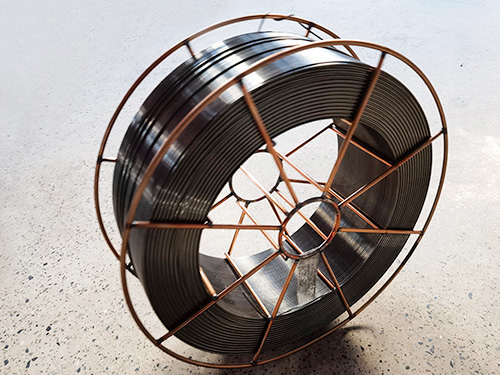
· Overlay Layer: EQ310LMo, a 310-series fully austenitic heat-resistant stainless steel with outstanding high-temperature resistance, oxidation resistance, and high-temperature creep performance — ideally suited for sealing surface reinforcement under high-temperature service conditions.
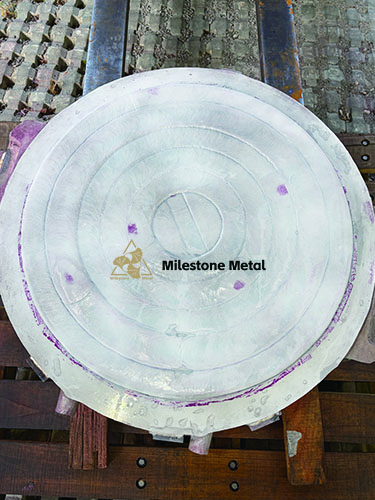
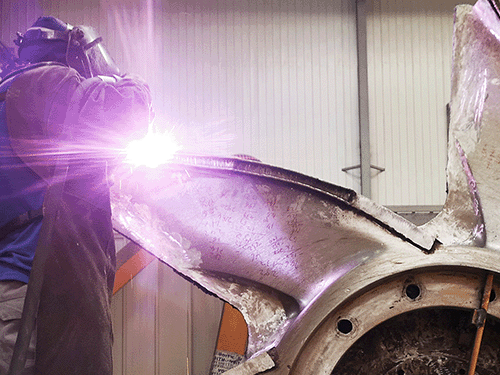
Heavy cast valve bodies feature internal flow passages that are the primary zone exposed to medium scouring, operating under harsh conditions. Traditional manual overlay welding is inefficient: large-area inner-wall cladding involves long welding cycles, unstable heat input, and is prone to defects such as interpass lack of fusion and slag inclusions.
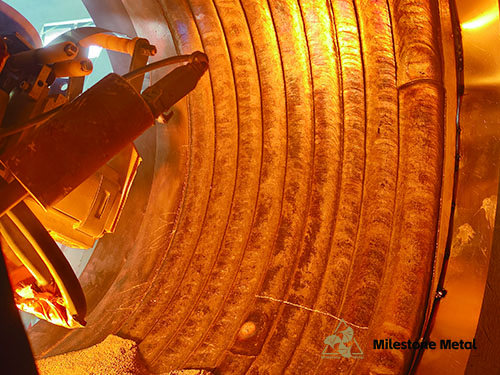
II. Targeted Resolution of 310-Grade Welding Pain Points
310 fully austenitic stainless steel is inherently highly susceptible to hot cracking. Manual welding and conventional arc welding feature rapid cooling rates and concentrated welding stress, making the overlay layer extremely prone to microcracks and interpass cracking — driving up subsequent NDT rework costs.
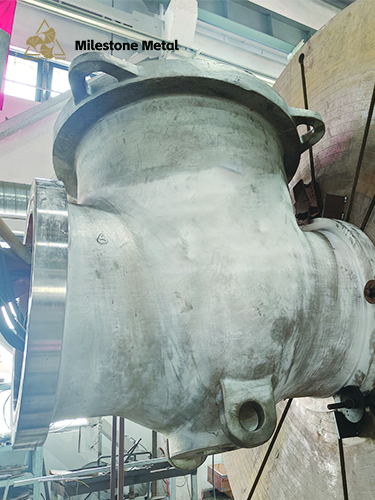
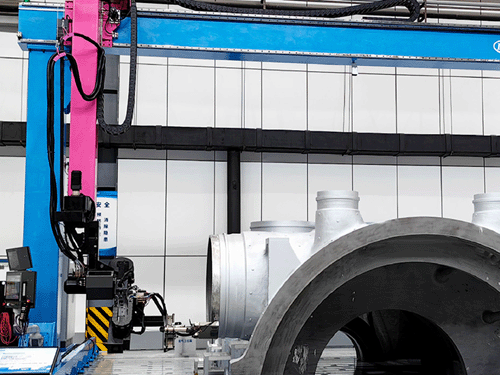
Electroslag strip cladding features a large molten pool volume, uniform overall heating during welding, and a gentle cooling rate. Welding stress is released gradually, significantly reducing the probability of hot crack initiation in austenitic steels. Valve body passages and gate sealing surfaces achieve stable formation; welding defects such as porosity and cracking are substantially reduced, resulting in a higher first-pass NDT acceptance rate.
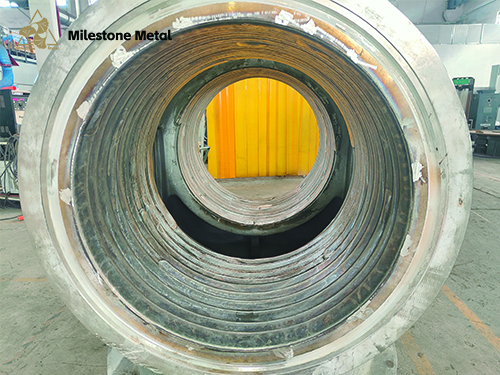
III. A Leap in Production Efficiency
Traditional manual TIG welding delivers a deposition rate of only approximately 0.7 kg/h, making high-volume processing time-consuming and labor-intensive. Electroslag strip cladding achieves a deposition rate of 10–15 kg/h — a more than tenfold increase in welding efficiency — significantly shortening the processing cycle per gate, adapting to high-volume order delivery for valve manufacturers, and effectively reducing labor and schedule costs.
IV. Process Application Value
The formed 310 overlay sealing surface combines excellent high-temperature performance with sealing stability, enabling long-term service under harsh conditions such as high-temperature steam and high-temperature refining media. It reinforces the wear and heat resistance of valve body passages and gates, extending the overall service life of valve bodies, valves, and gates. Backed by a mature and stable electroslag strip cladding process that balances welding quality, production efficiency, and economic benefits, this is a proven, high-quality solution for overlay welding of valve body/gate sealing surfaces under high-temperature service conditions.
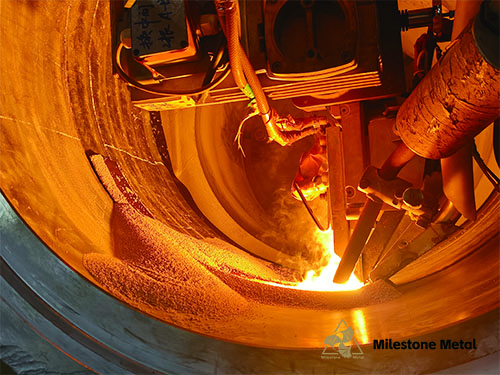
Aimate Intelligent Manufacturing offers a full spectrum of welding processes and provides welding solutions better suited to the production of valves, gates, and valve bodies. With years of accumulated experience, Aimate Intelligent Manufacturing delivers superior professionalism and welding process control.