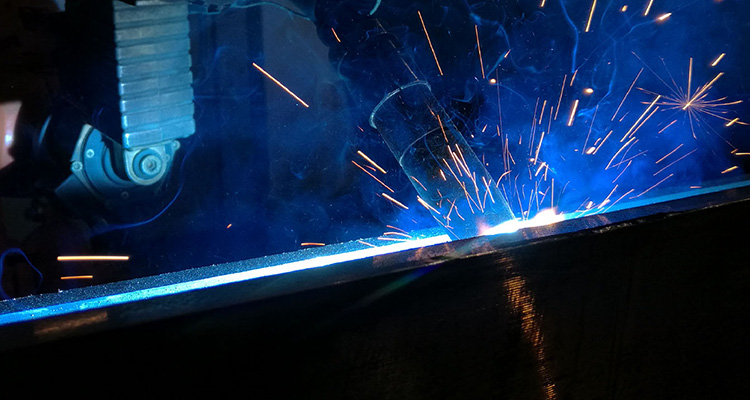
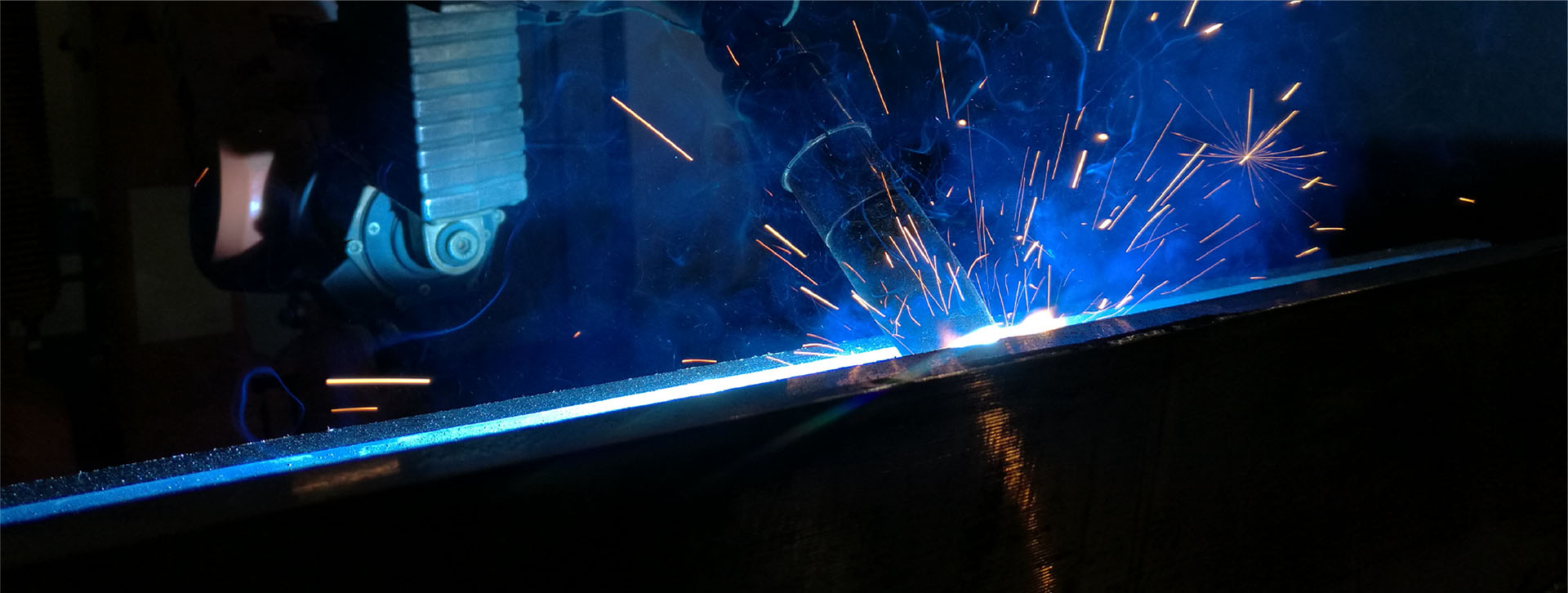
Pipeline welding is a core process in fields such as oil and gas transportation, municipal pipe networks, and industrial pipelines. Its core requirements are high strength, high sealing performance, corrosion resistance, and fatigue resistance, adapting to the operational needs of pipelines under long-distance and complex working conditions.
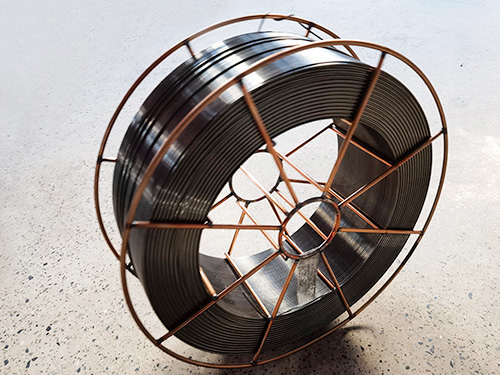
Welding materials must be strictly matched with pipeline base metals (carbon steel, stainless steel, alloy steel, low-temperature steel, etc.). The mainstream materials include low-hydrogen manual electrodes, high-strength solid wires, flux-cored wires, and submerged arc welding wires, which balance weld toughness, weather resistance, and crack resistance.

The type of welding materials can be adjusted according to the pipeline pressure level and transportation medium (oil and gas, water, chemical media).
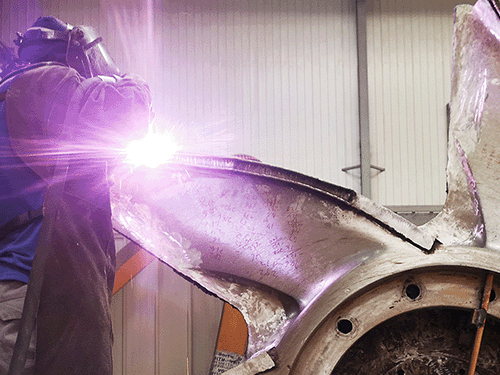
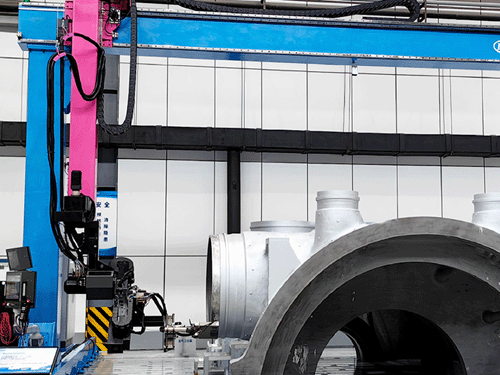
Focusing on efficiency and stability, the main welding technologies include Shielded Metal Arc Welding (SMAW), Submerged Arc Welding (SAW), TIG, MIG/MAG gas metal arc welding, and automatic pipeline welding technology.
It strictly controls heat input, interpass temperature, and welding sequence to reduce pipeline welding deformation and weld defects. At the same time, aiming at scenarios such as field construction and high-altitude operations of long-distance pipelines, the adaptability of the welding process is optimized to ensure that the pipeline welding joints meet industry standards and guarantee the long-term safe and stable operation of the pipeline.