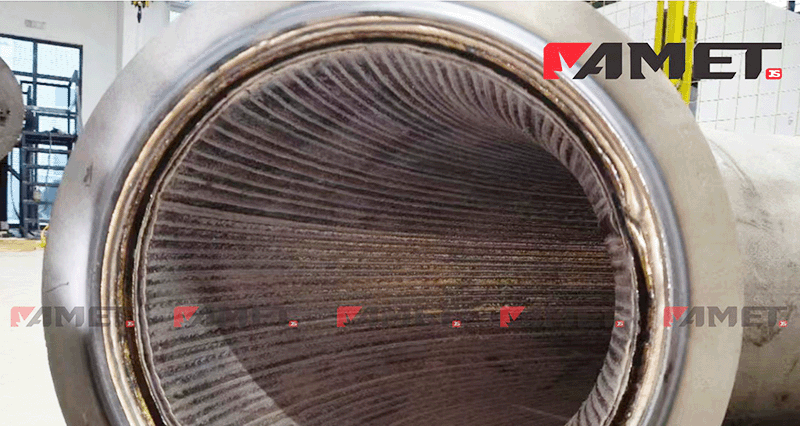
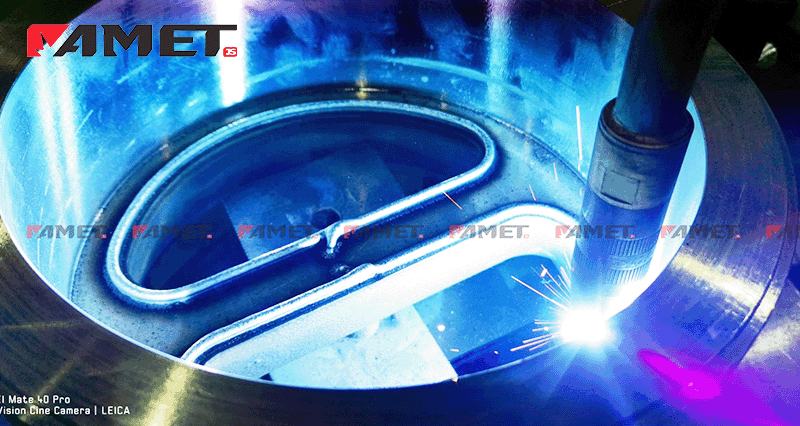
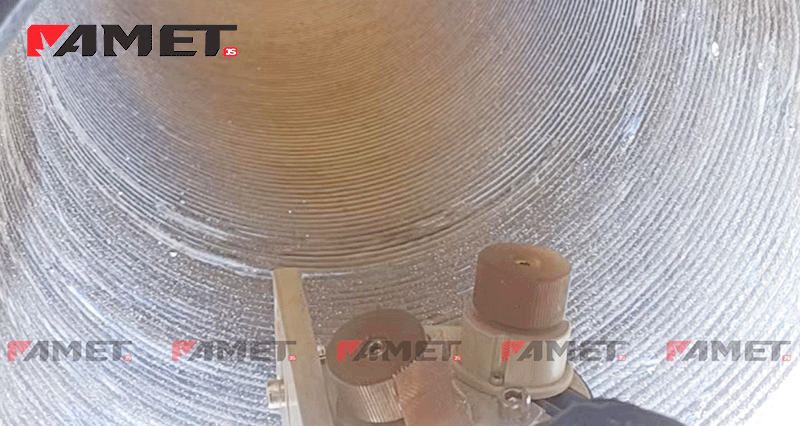
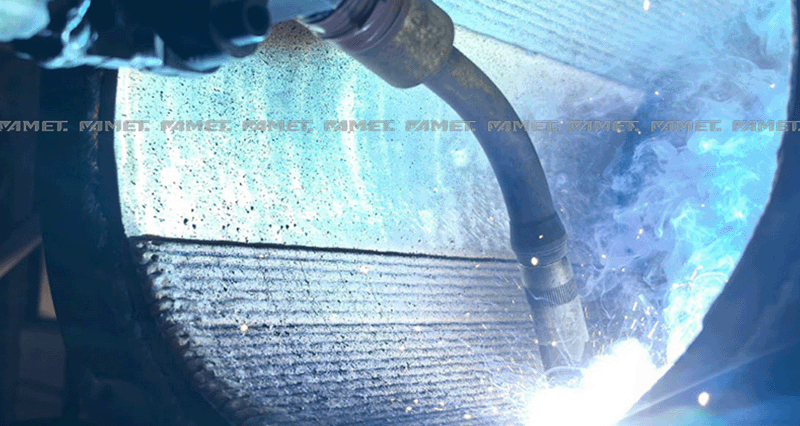
The bridge industry relies heavily on high-quality welding materials and technologies to ensure the structural safety, durability, and load-bearing capacity of bridges, including steel bridges, composite bridges, and bridge components. Bridges operate under long-term outdoor exposure, bearing dynamic loads from vehicles, wind, and temperature fluctuations, making reliable welding critical for their service life and public safety.
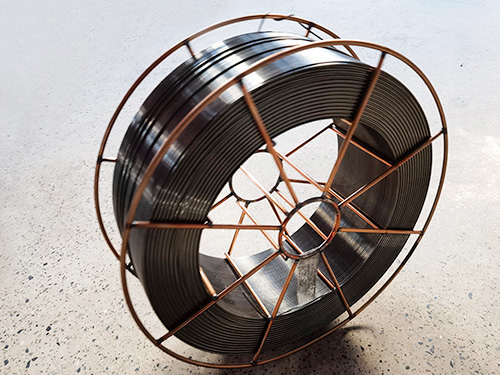
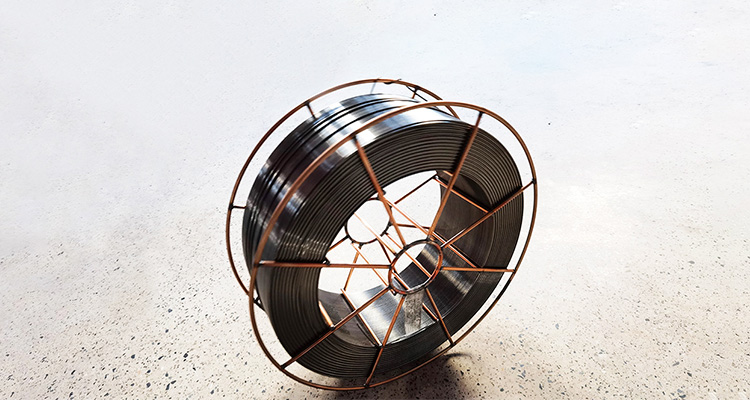
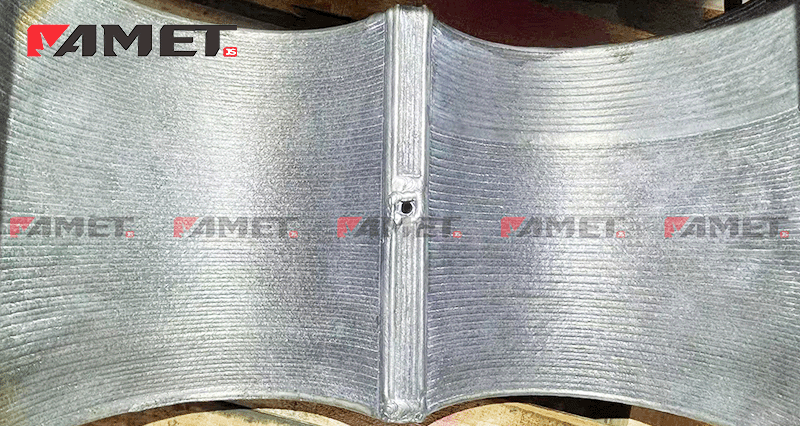
Welding materials for bridge applications are tailored to resist weathering, fatigue, and corrosion. Common types include low-alloy high-strength steel, carbon steel, and stainless steel welding electrodes, solid wires, and flux-cored wires. Low-alloy high-strength steel weld materials are widely used for main bridge structures due to their excellent strength and toughness, while stainless steel materials are applied to corrosion-prone parts like bridge railings and connections.
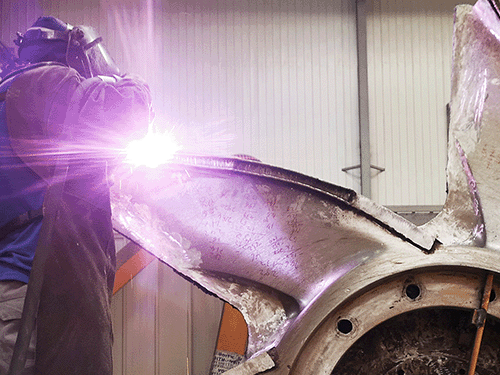
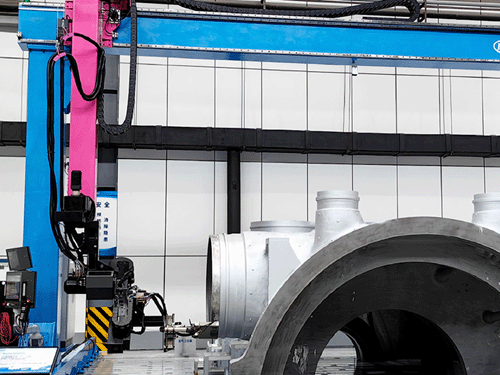
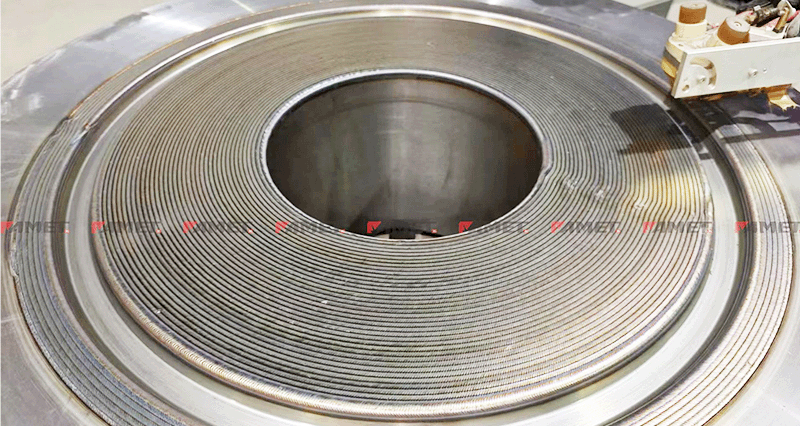
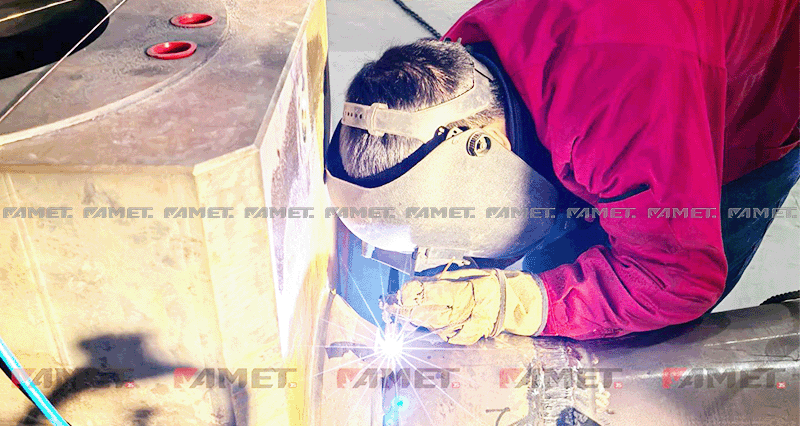
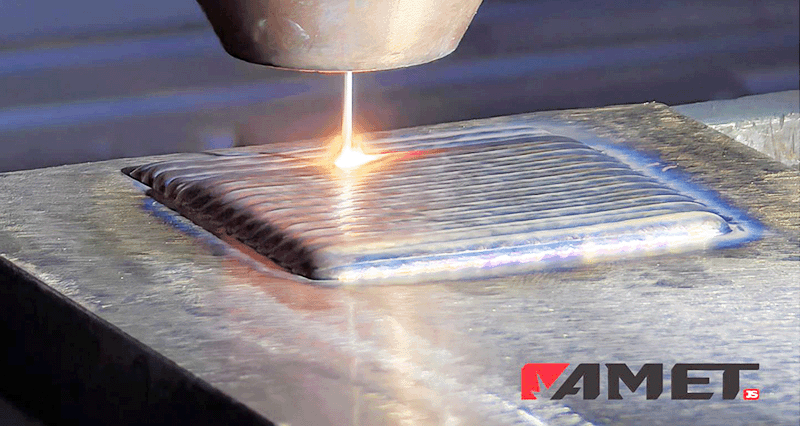
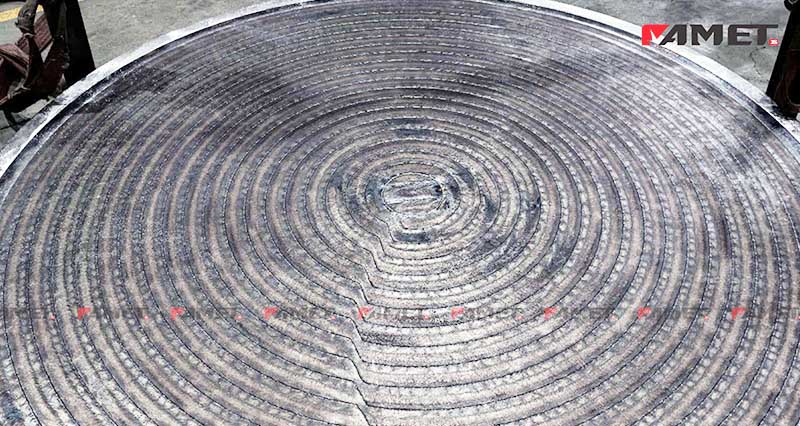
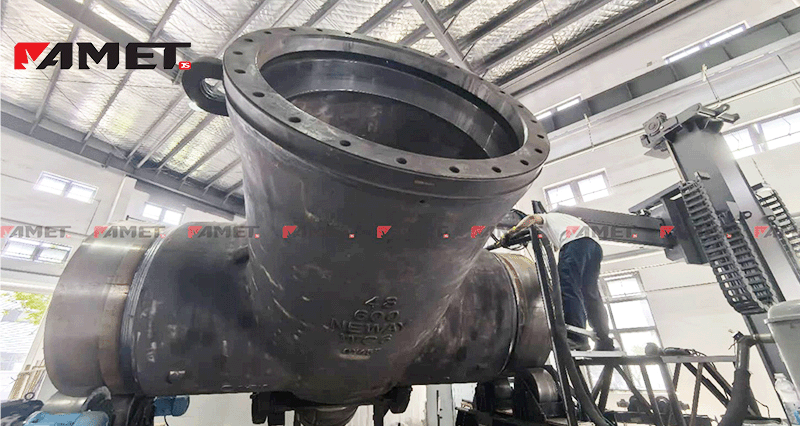
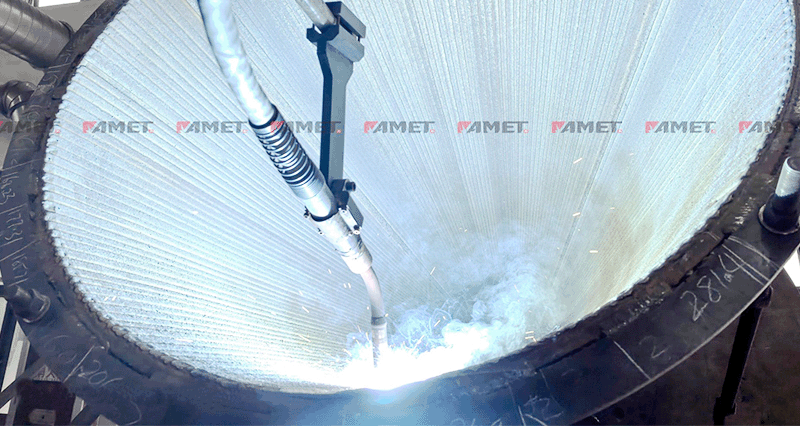
Key welding technologies in this industry include shielded metal arc welding (SMAW), submerged arc welding (SAW), and gas metal arc welding (GMAW). SAW is widely used for fabricating large bridge components with high efficiency, SMAW is flexible for on-site installation and maintenance, and GMAW ensures stable weld quality for complex bridge joints. Advanced technologies like robotic welding and ultrasonic-assisted welding are also adopted to improve weld precision and resistance to fatigue, adapting to the strict safety requirements of bridge engineering.