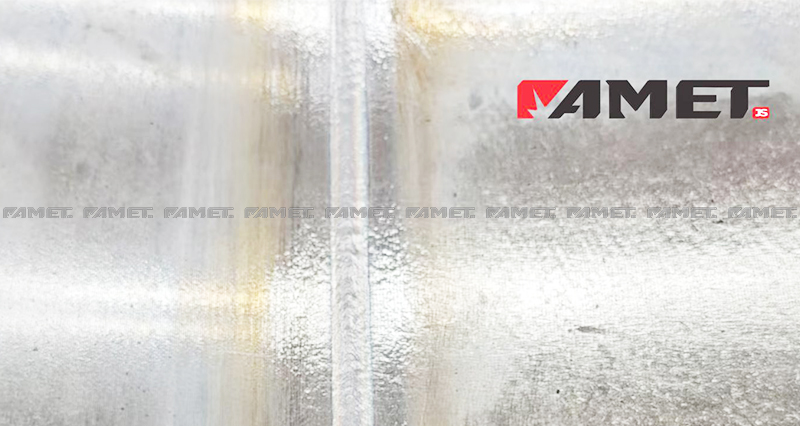
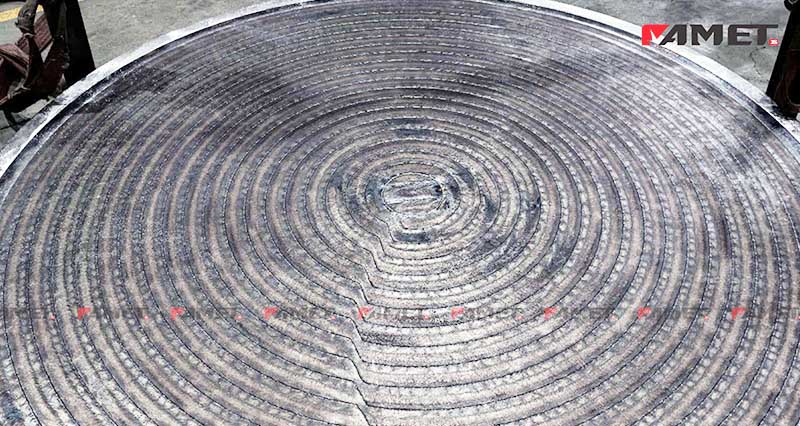
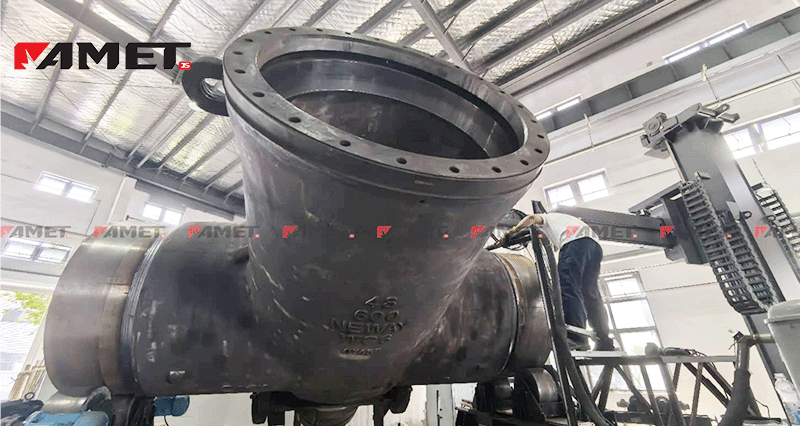
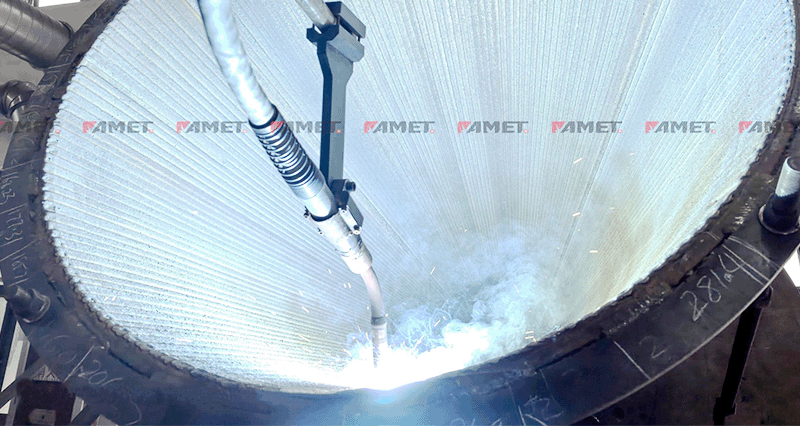
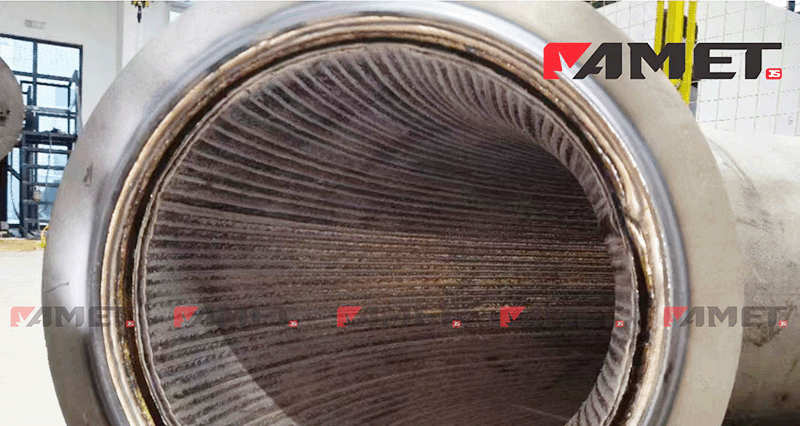
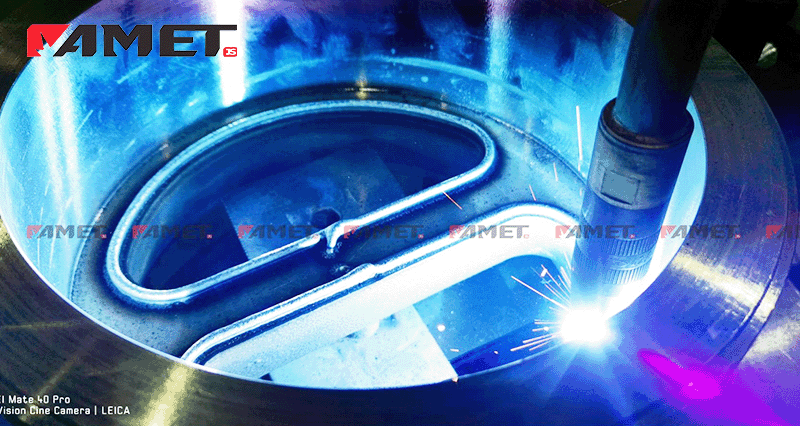
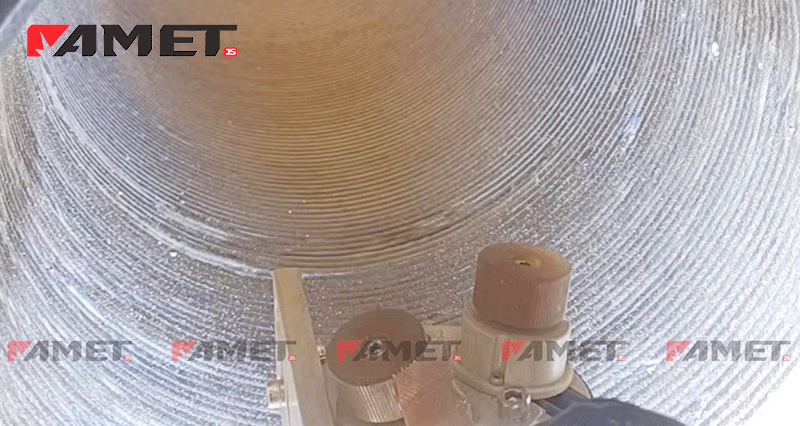
The energy and electricity industry depends on reliable welding materials and technologies to guarantee the stability and safety of its core facilities, such as power plants (thermal, hydropower, nuclear, and renewable), power transmission lines, transformers, and energy storage equipment. These facilities operate under diverse harsh conditions—including high temperature, high voltage, outdoor weathering, and mechanical loads—making high-quality welding critical for long-term operational reliability.
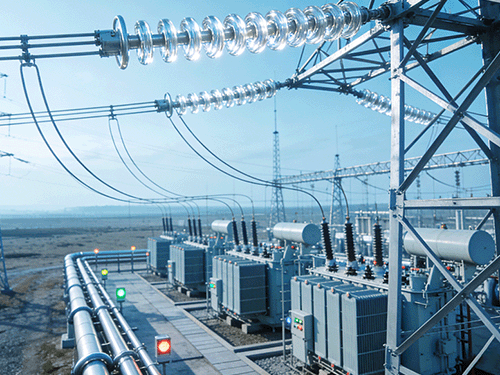
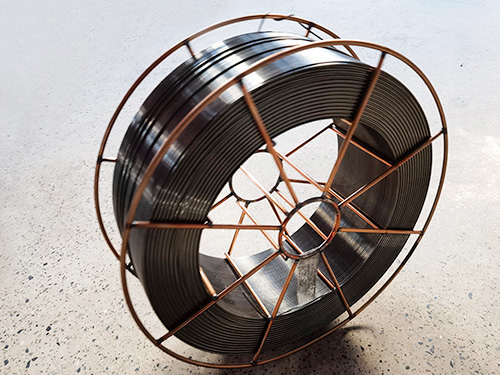
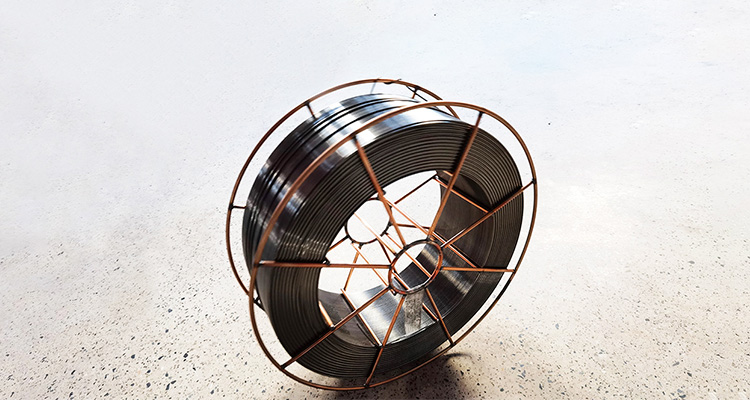
Welding materials for energy and electricity applications are tailored to resist high-temperature oxidation, electrical corrosion, and fatigue. Common types include low-alloy steel, stainless steel, and copper-based welding electrodes, wires, and fluxes. Low-alloy steels are widely used in power plant boilers and pipelines, while copper-based and stainless steel materials are preferred for transformers and electrical connections due to their excellent electrical conductivity and corrosion resistance.
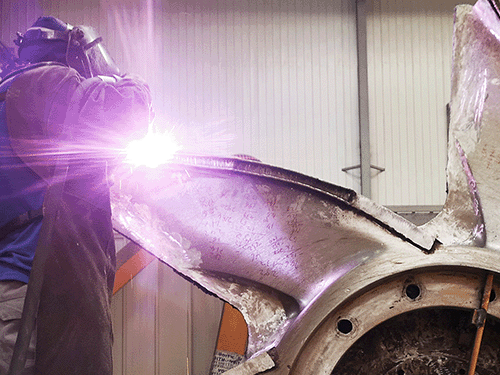
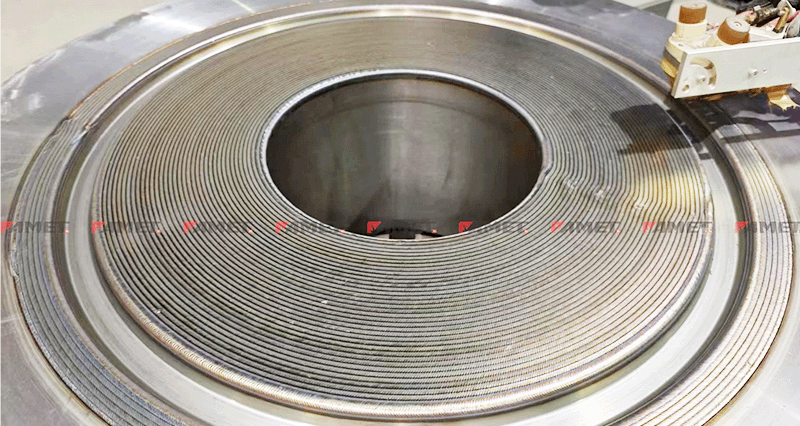
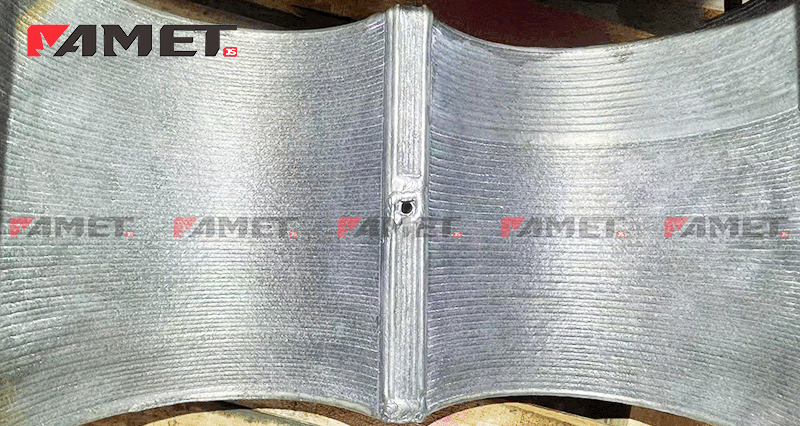
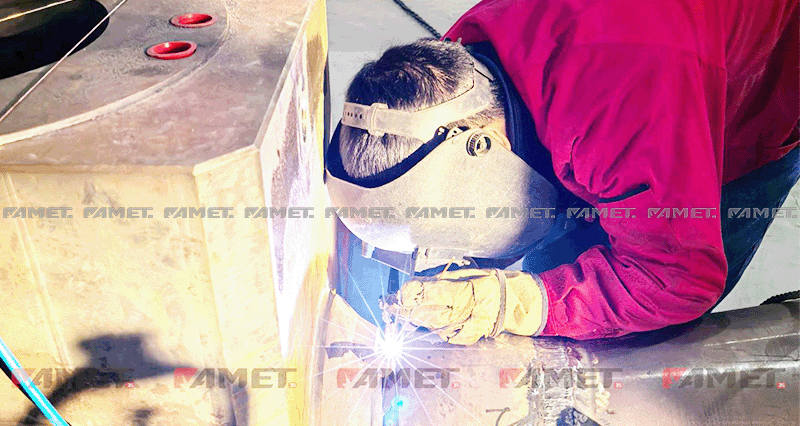
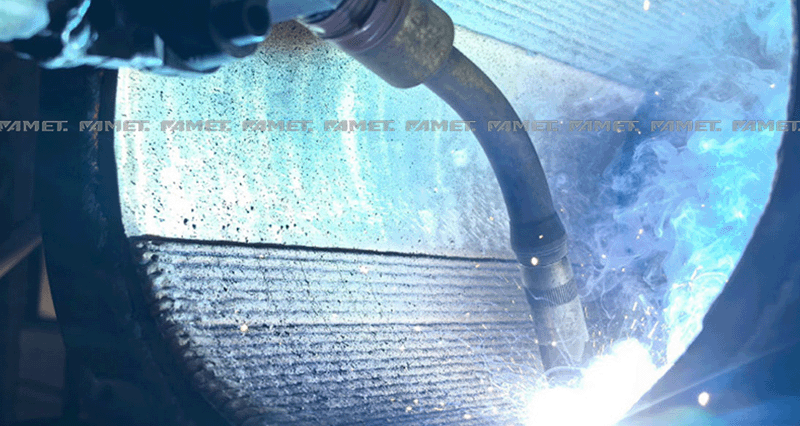
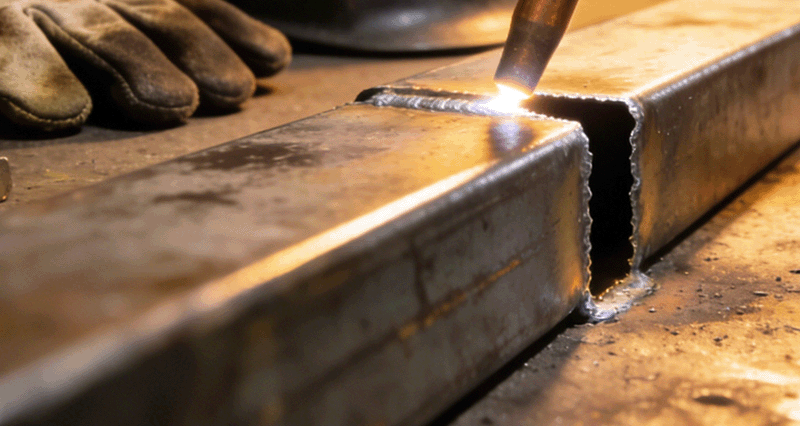
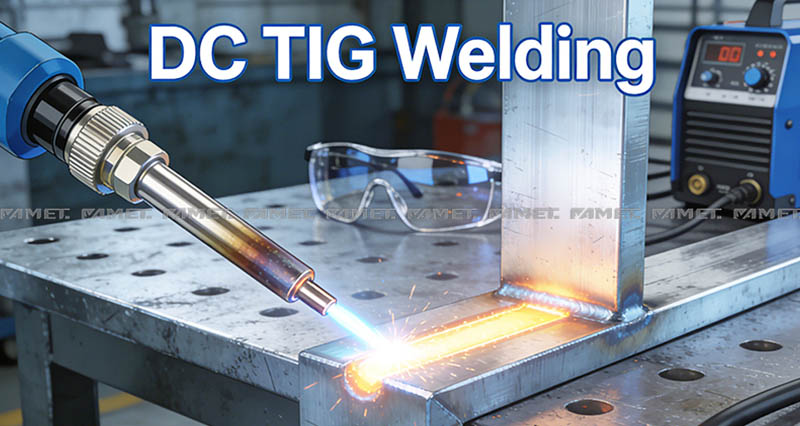
Key welding technologies in this industry include shielded metal arc welding (SMAW), gas tungsten arc welding (TIG), and submerged arc welding (SAW).
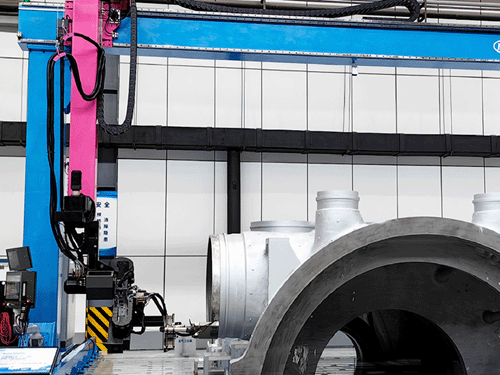
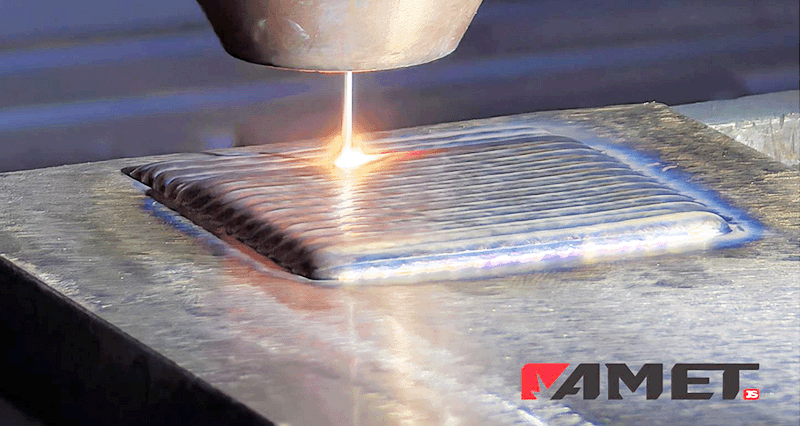
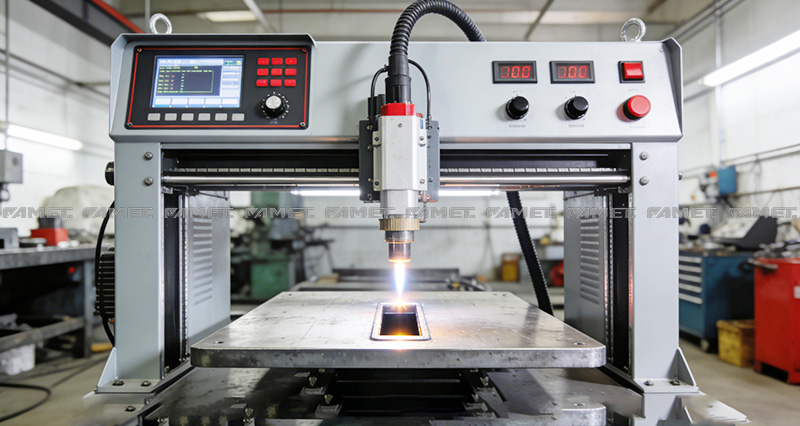
These technologies are chosen based on facility type, material properties, and installation scenarios. Advanced technologies like robotic welding and laser welding are increasingly applied to improve weld precision and efficiency, especially for critical components in nuclear power plants and renewable energy facilities where weld integrity is vital to safety and energy supply stability.