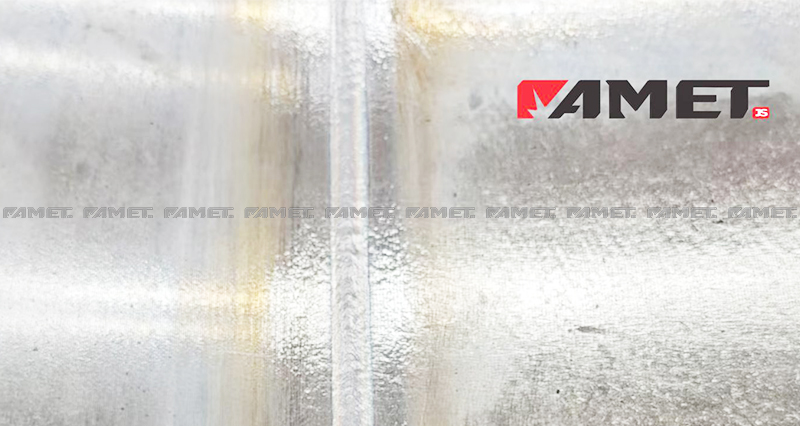
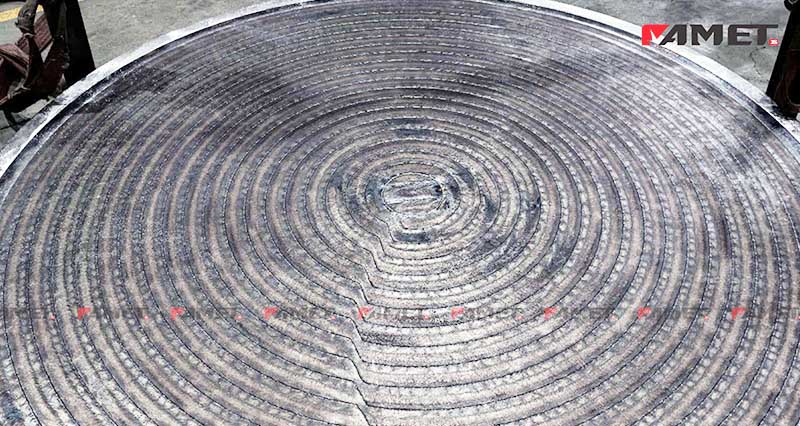
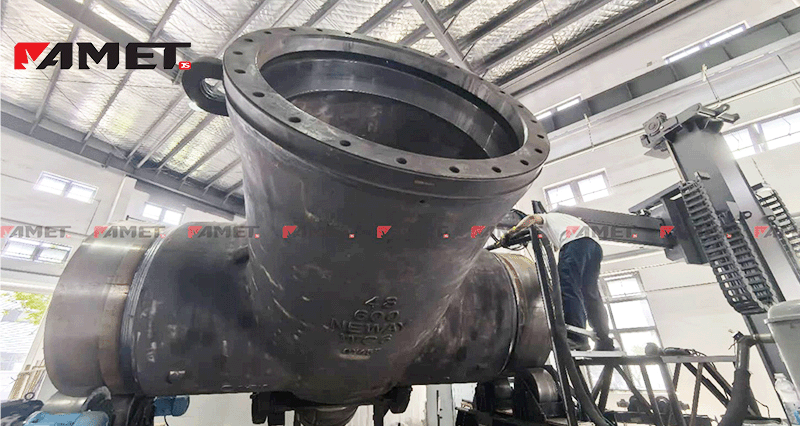
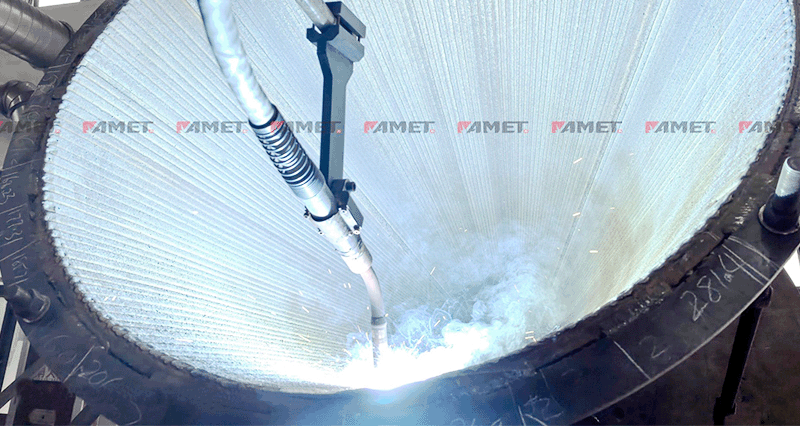
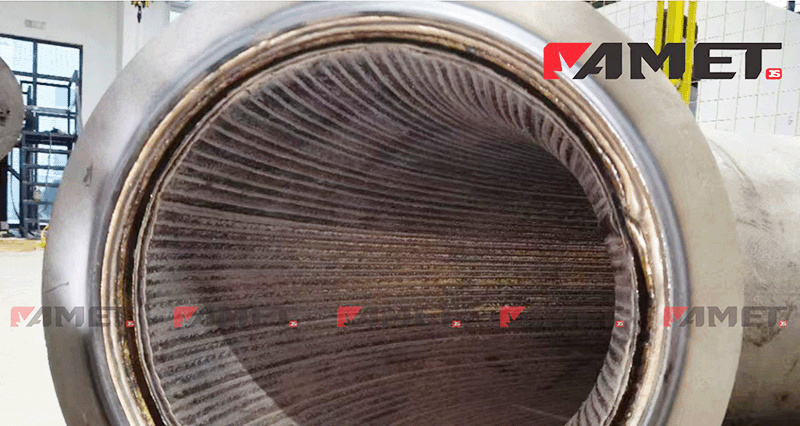
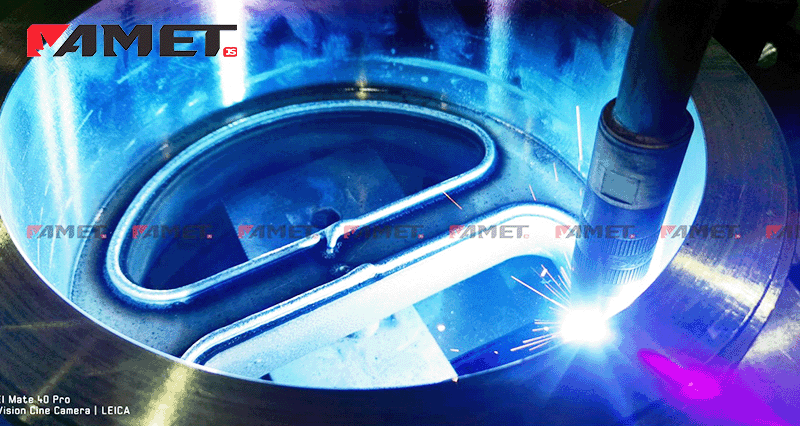
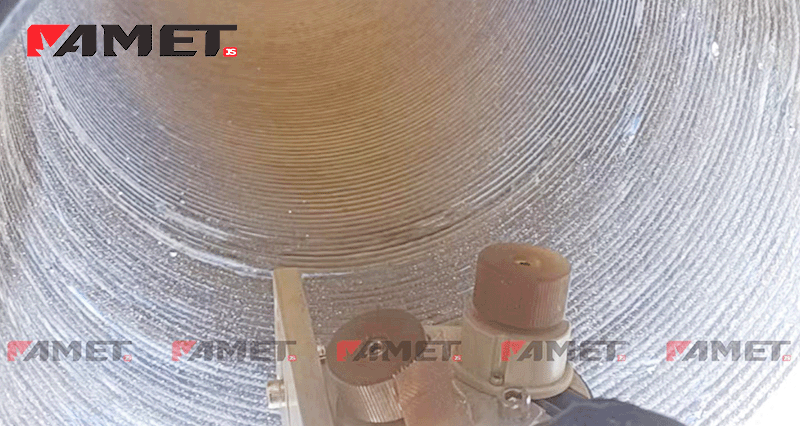
The petrochemical industry relies heavily on welding materials and technologies to ensure the safety, durability, and efficiency of its key equipment and structures, such as oil refineries, chemical reactors, storage tanks, pipelines, and pressure vessels. These assets operate under harsh conditions—including high temperature, high pressure, and exposure to corrosive media like crude oil, chemicals, and gases—making the selection of suitable welding materials and advanced welding technologies crucial.
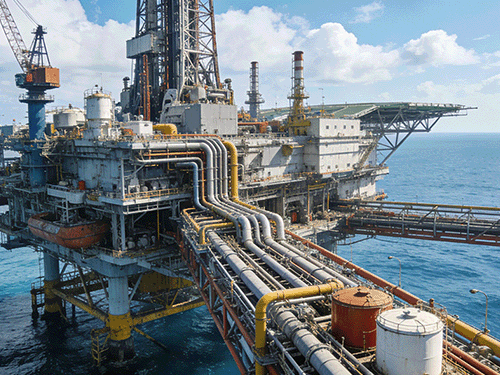
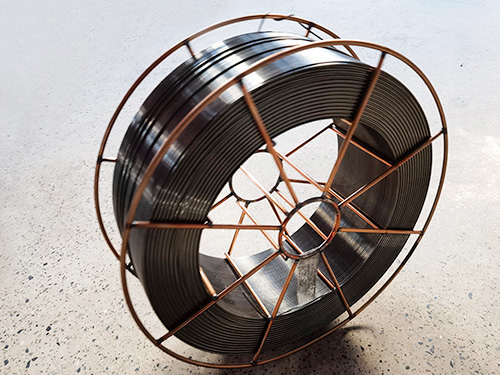
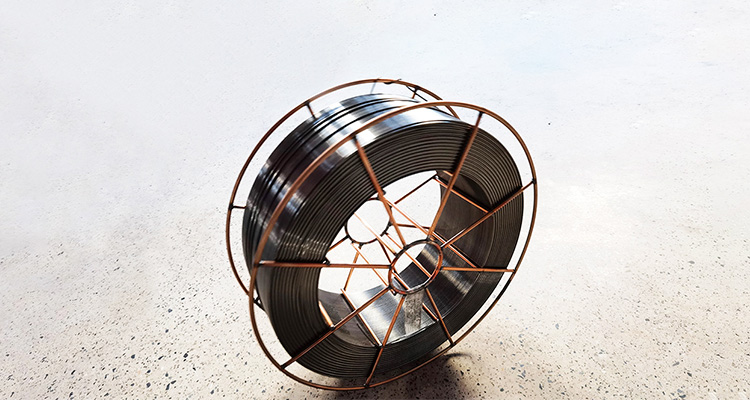
Welding materials for petrochemical applications are designed to resist corrosion, high-temperature creep, and mechanical fatigue. Common types include carbon steel, low-alloy steel, stainless steel, and nickel-based alloy welding electrodes, wires, and fluxes. Stainless steel and nickel-based alloys are widely used for equipment handling corrosive chemicals, while low-alloy steels are preferred for high-pressure pipelines and storage tanks due to their high strength and toughness.
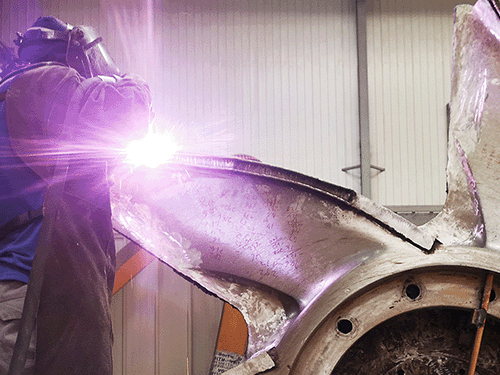
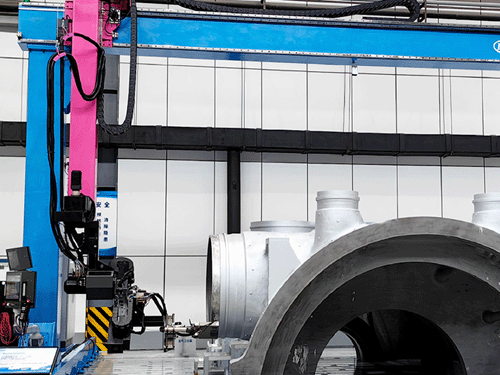
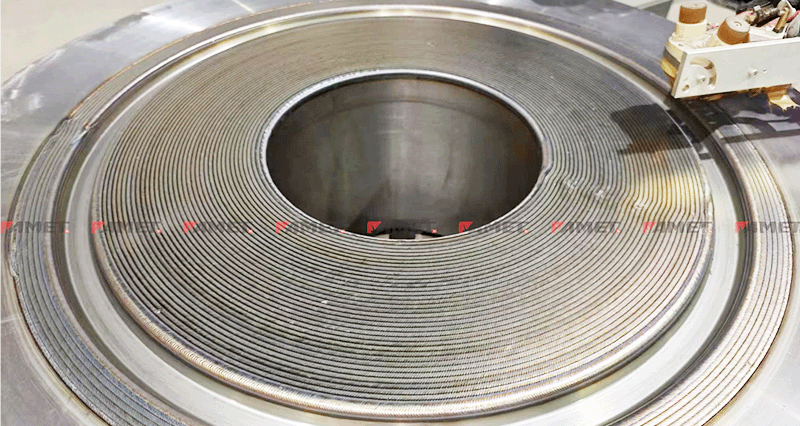
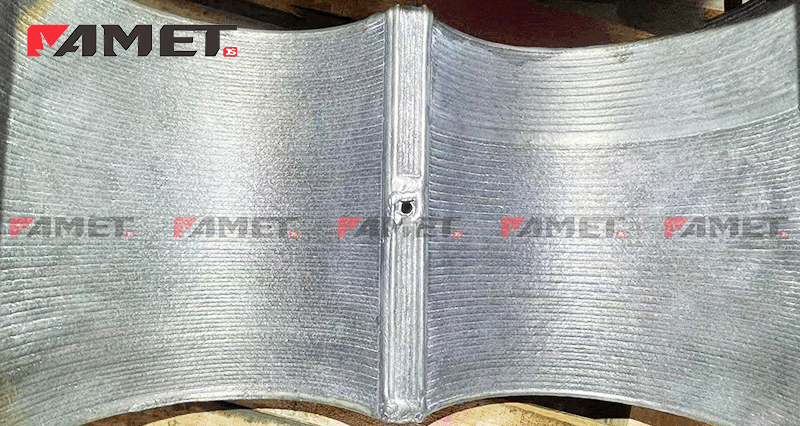
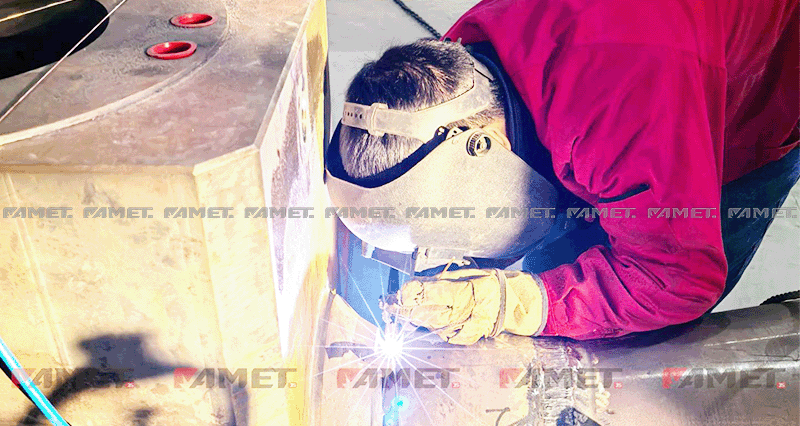
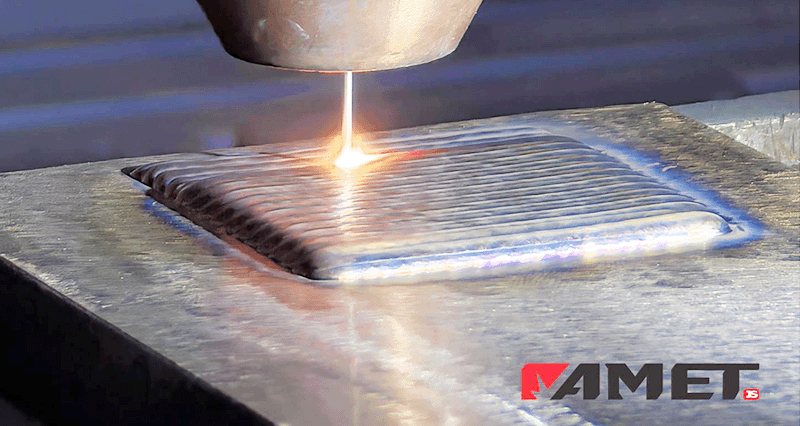
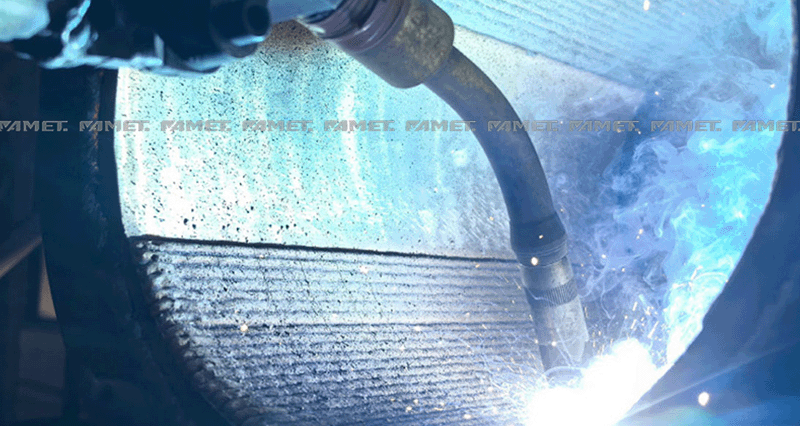
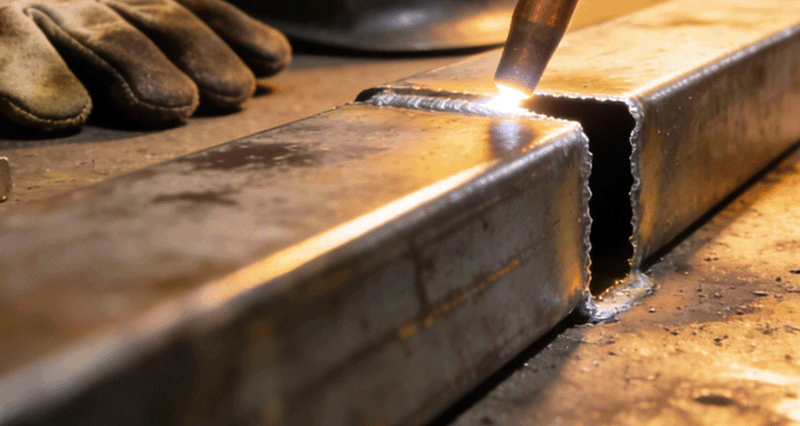
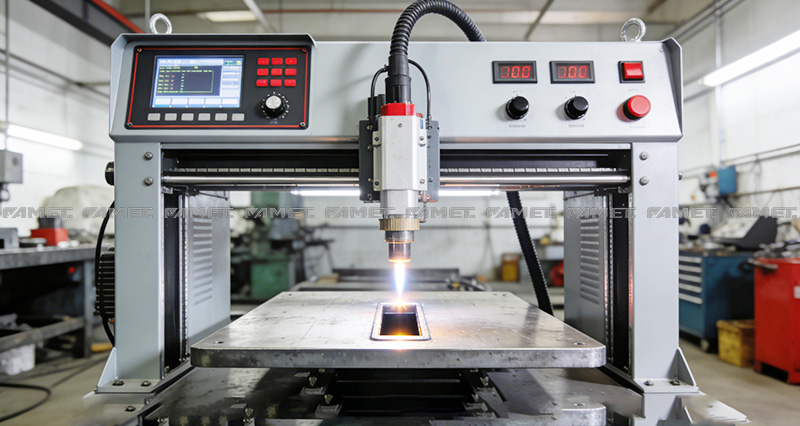
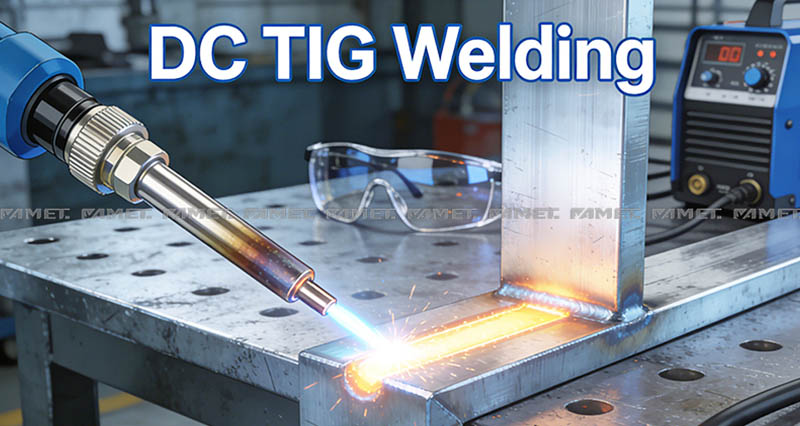
Key welding technologies in this industry include shielded metal arc welding (SMAW), gas metal arc welding (GMAW), submerged arc welding (SAW), and tungsten inert gas welding (TIG). These technologies are selected based on the equipment type, material thickness, and service conditions. Advanced technologies like laser welding and robotic welding are also increasingly adopted to improve weld quality, efficiency, and safety, especially for critical components where weld integrity directly affects operational safety.