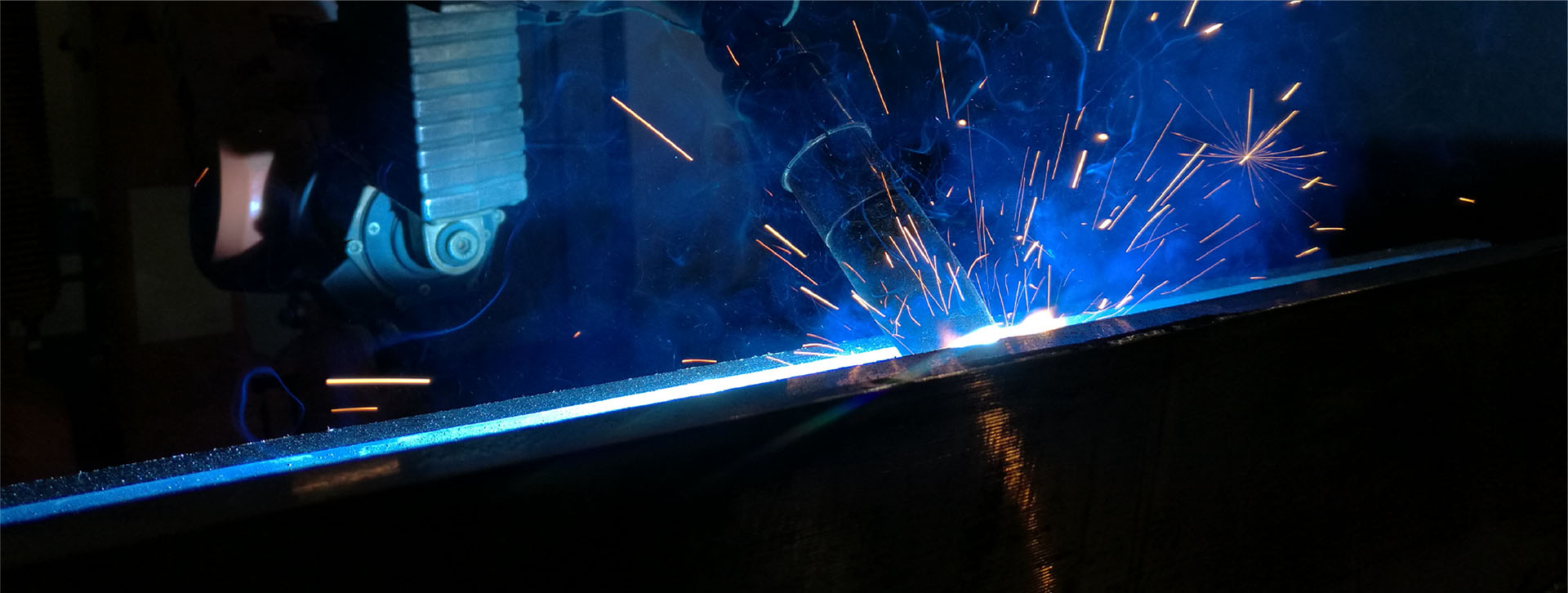
Mixed Scheme Welding, also referred to as hybrid welding, is an advanced joining technology that integrates two distinct welding processes into a single, synergistic system. Unlike the simple superposition of individual methods, it achieves optimal energy coupling and performance complementarity, effectively overcoming the limitations of single welding processes while maximizing their respective advantages. This innovative approach has become a pivotal solution in modern manufacturing, catering to the growing demand for high efficiency, high quality, and versatility in welding applications.

The core principle of Mixed Scheme Welding lies in the coordinated operation of two different heat sources or welding methods, which act on the same weld pool simultaneously or sequentially to achieve superior welding results. According to the American Welding Society (AWS), this process combines two distinctly different welding techniques into one integrated process, leveraging the strengths of each to compensate for their inherent weaknesses.
For instance, one method may provide high energy density and deep penetration, while the other offers better gap tolerance, filler metal control, or arc stability, resulting in a "1+1>2" effect in weld quality and efficiency.