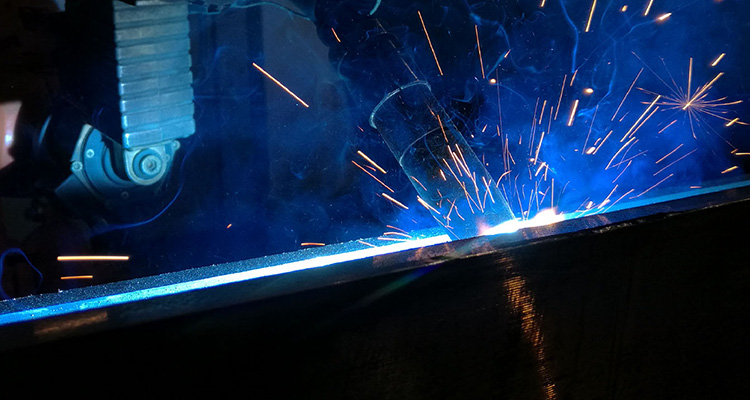
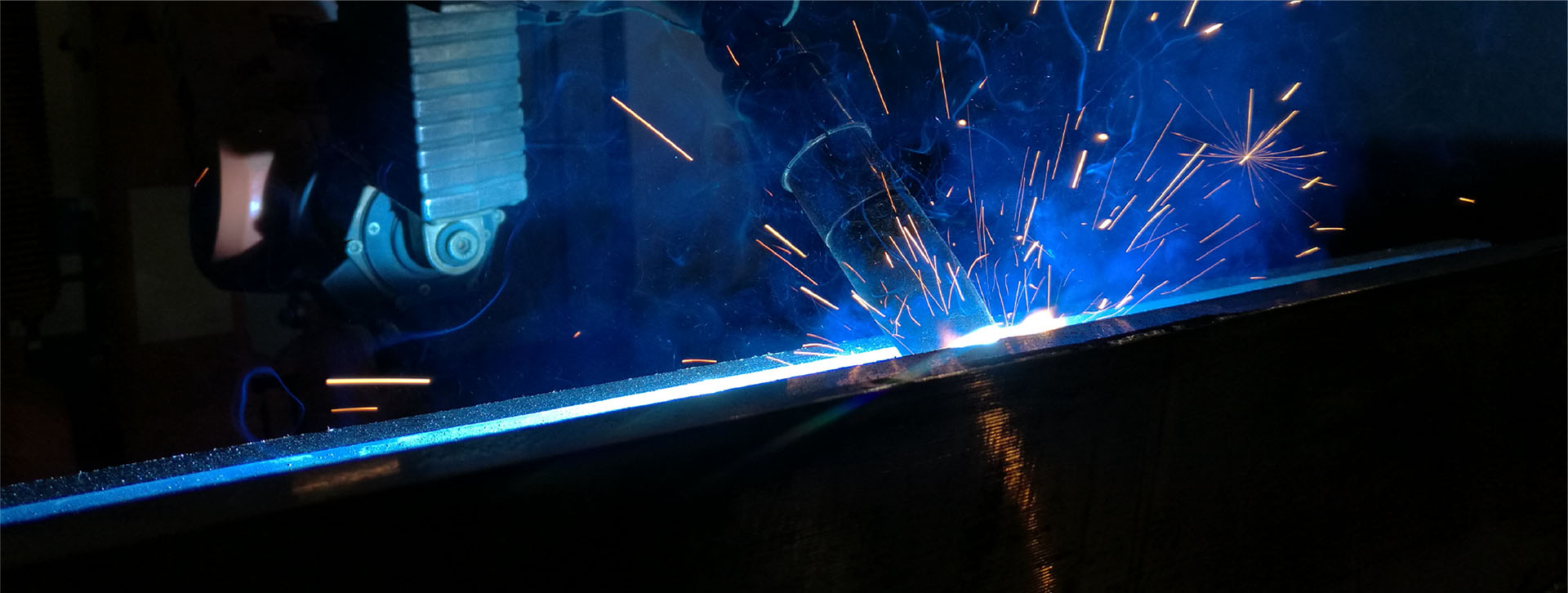
Technology for 309L + 347 Cladding on 2.25Cr1MoV Steel Elbows Using Flux-Cored Wires
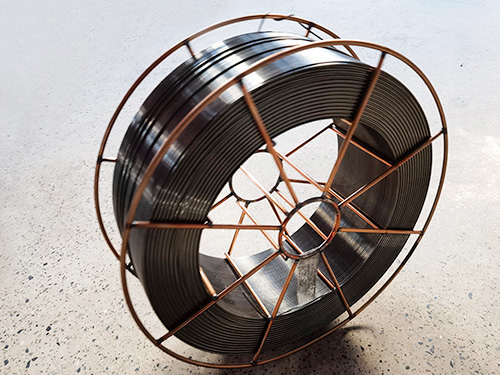
This technology adopts a two-layer cladding system using flux-cored wires: a 309L buffer layer plus a 347 surface layer.
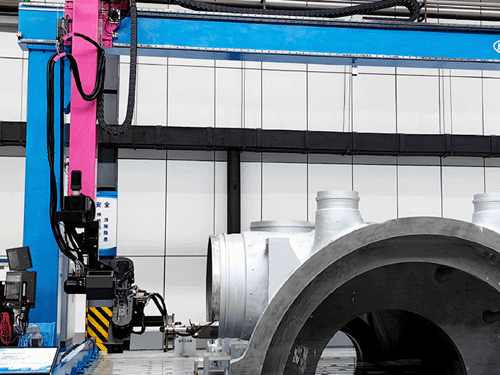
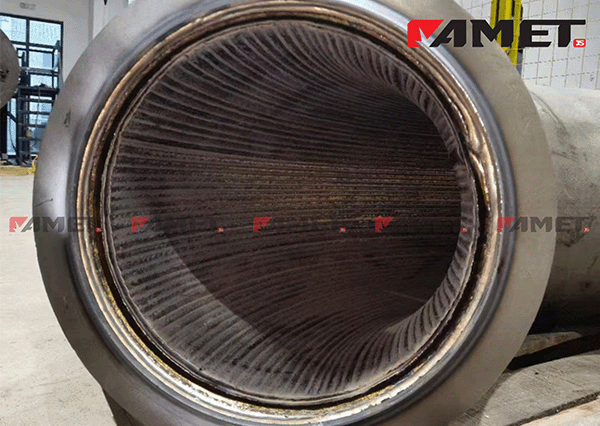
By leveraging the high-efficiency deposition characteristics of flux-cored wires and the gradient matching of the two welding materials, it accurately solves the dissimilar metal welding challenge between 2.25Cr1MoV steel and austenitic stainless steel, achieving high-quality, low-defect cladding of corrosion-resistant layers on elbows.It is widely suitable for the manufacturing and repair of elbows used under severe working conditions, such as in hydrogenation reactors and high-pressure heat exchangers.
Core Technical Positioning and Advantages
The core of this technology lies in the deep integration of the flux-cored arc welding (FCAW) process with the 309L + 347 two-layer welding material system.
Targeting the three key requirements of 2.25Cr1MoV steel elbows — crack resistance, dilution control, and corrosion resistance — it overcomes the pain points of traditional cladding processes, such as hardening and cracking, poor formation, and insufficient performance, realizing efficient, precise, and reliable cladding of the corrosion-resistant layer on elbows.
Compared with manual cladding and single-layer stainless steel cladding, it offers irreplaceable technical advantages and perfectly matches the special geometry of elbows and severe service conditions.
(1) Gradient Matching of Two-Layer Welding Materials
Fundamentally eliminates cracking and excessive dilution.
-
Buffer layer (309L): Smooths the alloy gradient and prevents hardening risks.
-
Surface layer (347): Enhances corrosion resistance and adapts to hydrogen-containing service environments.
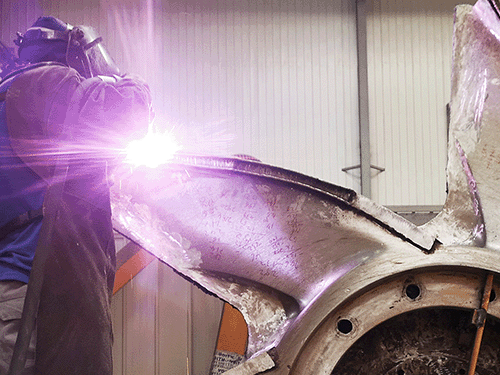
(2) Advantages of Flux-Cored Wire Process
Suitable for complex elbow geometries and mass production.
-
High deposition efficiency and excellent weld formation.
-
All-position welding capability, overcoming difficulties on curved elbow surfaces.
-
Low hydrogen and low embrittlement, reducing the risk of defects.
(3) Precise Heat Control and Performance Matching
Ensures long-term reliable service of elbows.
-
Precise control of heat input to avoid base metal deformation.
-
Perfect matching of mechanical properties with actual working conditions.